5 Premium Types of Iranian Natural Stone to Elevate Modern Design
The geological landscape of the Middle East holds a treasure that has captivated architects and designers for centuries. Iranian natural stone stands as a testament to the earth’s artistic capability, offering a spectrum of colors, textures, and durability levels that few other regions can match. From the rugged mountains of Zagros to the mineral-rich plains, the country produces materials that define luxury and resilience. At Pars Stone, we bridge the gap between these ancient quarries and modern construction, ensuring that the finest blocks and slabs reach global markets with precision. Whether you are seeking the dramatic flair of dark marble or the serene purity of white crystal, understanding the depth of this market is the first step toward elevating your next project.
A Comprehensive Guide to Stone Varieties
When architects look for the best stone in Iran, they are often overwhelmed by the sheer variety available. The geology of the region allows for the extraction of almost every major category of dimensional stone. Below, we explore the primary types found in this land, highlighting the specific collections available at Pars Stone.
Pietra Gray Marble: The Icon of Isfahan
One cannot discuss the export market without mentioning the most iconic material from the Isfahan province. Pietra Gray Marble is internationally recognized for its sophisticated charcoal-grey background intersected by striking white quartz veins. Historically known as Lashtor, this stone has transcended local architecture to become a staple in luxury hotels and modern residences worldwide. Its low water absorption and high density make it suitable for both interior and exterior applications, including wet areas like bathrooms and high-traffic lobby floors. The visual movement within the stone adds a dynamic yet minimalist character to any space.
White Marble: Purity and Brilliance
For projects requiring light, airiness, and a sense of vast space, White Marble remains the undisputed choice. Iranian white marble is celebrated for its high purity and crystalline structure. Unlike the softer carraras of Europe, many Persian white marbles possess a unique hardness that allows for a brilliant sub-diamond polish. These stones reflect light beautifully, making them ideal for areas with limited natural lighting. Whether used for grand staircases, sculptures, or expansive flooring, the bright aesthetic of this material signifies opulence and cleanliness, making it a favorite in both classical and contemporary design.
Green Granite: A Rarity in Nature
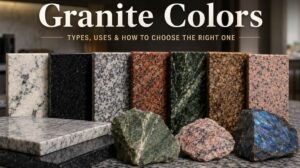
Granite is synonymous with strength, but Iranian quarries offer something rarer: color. Our collection of Green Granite provides a stunning alternative to the common greys and blacks found elsewhere. Often sourced from the Birjand forests, this stone features a complex palette of greens, ranging from deep emerald to lighter olive tones, often speckled with minerals that sparkle under light. It is an incredibly dense material, resistant to scratches, heat, and acidic substances, making it the perfect candidate for kitchen countertops and heavy-duty commercial flooring where aesthetics cannot be compromised for durability.
Double Black Semi Granit: The Modern Monolith
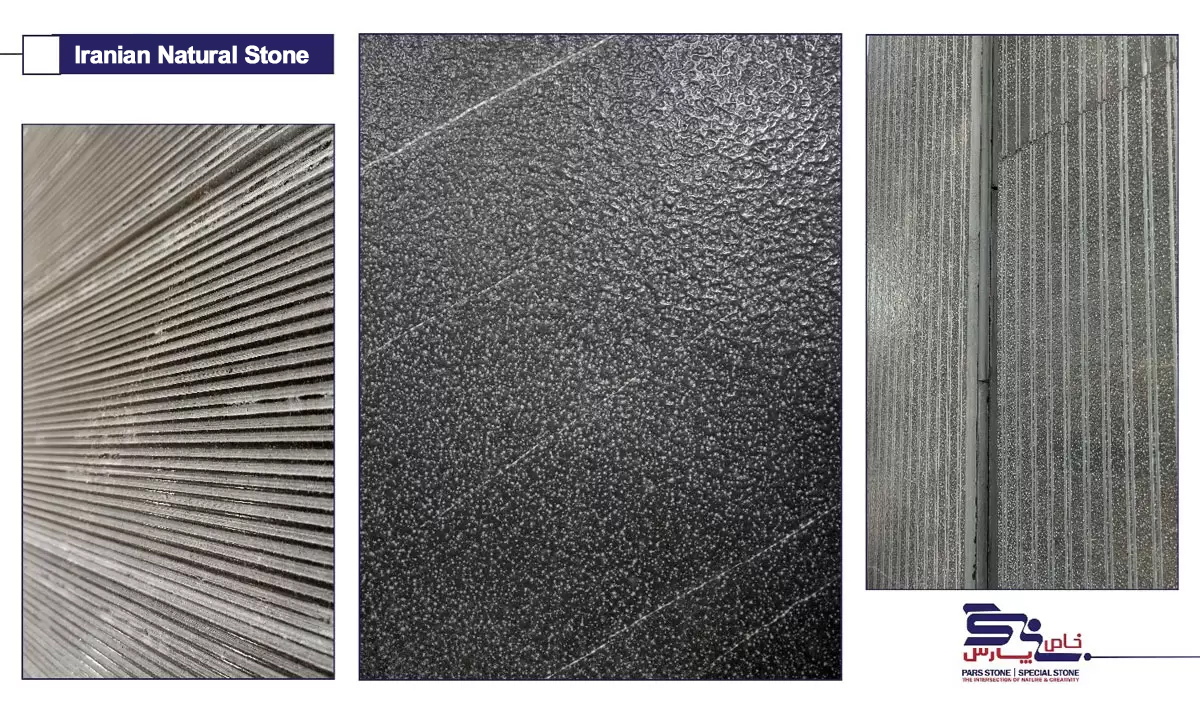
In modern architecture, the demand for monochromatic and dark themes is rising. The Double Black Semi Granit offers a profound depth that anchors a design scheme. Technically often classified between a hard limestone and a granite due to its immense density, this stone provides a consistent black canvas. It is particularly popular in honed, leathered, or bush-hammered finishes, which soften its appearance while maintaining its structural integrity. It serves as an excellent contrast material when paired with lighter stones or wood elements in façade designs.
Travertine and Limestone: The Warmth of Earth
Beyond the harder stones, Iran is a global leader in Travertine production. Famous for its porosity and thermal insulation properties, this stone is the standard for building façades. From the chocolate and red hues to the highly coveted Silver and Cream Travertines, these materials provide a rustic charm. Similarly, Iranian limestone offers a uniform, beige aesthetic perfect for Mediterranean styles, proving that the best stone in Iran encompasses both the incredibly hard and the aesthetically soft.
Characteristics of the Best Stone in Iran
Identifying the best stone in Iran involves looking beyond just the color. It requires an understanding of the technical properties that ensure longevity. Iranian natural stone is distinguished by several key factors that give it a competitive edge in the global market.
Superior Density and Compactness
The geological pressure over millions of years has resulted in stones with exceptional density. This is particularly true for stones like the Pietra Gray and the various granites found in the region. Higher density equates to lower porosity, which means the stone absorbs less water and is less prone to cracking during freeze-thaw cycles. This structural integrity is why Iranian stone is frequently specified for heavy-duty exterior applications.
Unrivaled Color Stability
One of the primary concerns with natural stone is fading over time, especially when exposed to harsh UV radiation. The mineral composition of Iranian stones, particularly the granites and travertines, ensures that the vibrant colors remain true for decades. This UV resistance is crucial for exterior cladding projects in sunny climates, ensuring that the building’s façade looks as pristine in twenty years as it does on day one.
Exceptional Polishing Potential
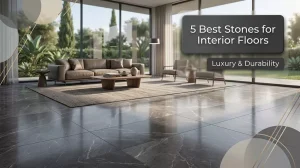
The best stone in Iran is known for its ability to take a high polish. The crystalline structure of Persian marbles allows for a mirror-like finish that enhances the depth of the veins. At Pars Stone, we utilize advanced abrasives to achieve gloss levels that exceed international standards. This high-gloss capability is not just aesthetic; it also helps seal the surface micro-pores, adding a layer of protection against staining.
Sourcing from the Source
Buying stone directly from the source eliminates middlemen and ensures quality control. When you choose Iranian natural stone through a dedicated exporter like Pars Stone, you are accessing the quarry directly. This vertical integration is vital for large-scale projects.
Block Selection and Quality Control
Not every block extracted from a mountain is suitable for export-quality slabs. By having boots on the ground, we filter out material with structural micro-cracks or inconsistent coloring. This rigorous selection process ensures that only the premium tier reaches our cutting lines. Architects can be confident that the samples they approve will match the final delivered product.
Cost-Effectiveness for Global Markets
Sourcing from Iran offers a significant economic advantage. Despite the high quality that rivals Italian or Spanish equivalents, the cost of labor and energy in Iran allows for a more competitive price point. This “value for investment” proposition makes it possible for large-scale commercial projects to utilize genuine natural stone where they might otherwise have been forced to use ceramic or porcelain tiles due to budget constraints.
Processing and Finishes
The raw beauty of Iranian natural stone is unlocked through processing. The technology employed in cutting and finishing plays a massive role in the final look of the product. At Pars Stone, we employ a variety of finishing techniques to suit different design needs.
Reflective and Smooth Finishes
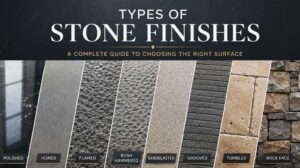
The most common finish is Polished, which highlights the color and veins while providing a reflective surface. However, we also specialize in Honed finishes. This matte option provides a satin-smooth feel and is increasingly popular for flooring as it hides scratches better than a polished finish and offers superior slip resistance in wet areas.
Textured and Tactile Surfaces
For clients seeking texture, we offer Brushed and Leathered finishes. By using diamond brushes, we texture the softer parts of the stone, leaving the harder veins raised. This creates a surface that feels like worn leather. Additionally, Bush-Hammered finishes create a rough, pitted surface ideal for outdoor paving where maximum grip is required, or for feature walls where a rugged, industrial look is desired.
Global Applications of Persian Stone
The versatility of Iranian natural stone allows it to be used in diverse architectural styles across the globe. We serve clients from East Asia to Europe, adapting to various building codes and aesthetic preferences.
Commercial Skyscrapers and Facades
In the world of high-rise construction, our high-strength granites and travertines are frequently used for ventilated façades. These mechanical installation systems require stone that can withstand wind loads and thermal expansion. Iranian stone passes these engineering tests with ease, providing a durable skin for massive structures.
Luxury Residential Design
In residential design, the trend is shifting towards natural materials that ground the home. A kitchen island made from Green Granite or a bathroom clad in Pietra Gray Marble creates a focal point that synthetic materials simply cannot replicate. The natural variation means that no two tiles are exactly alike, providing a bespoke feel to every room that speaks of luxury and exclusivity.
Hardscaping and Outdoor Living
Landscaping is another major area of application. The Double Black Semi Granit is particularly effective for garden paths, pool copings, and driveways. Its dark hue hides tire marks and dirt, while its hardness resists the wear and tear of vehicular traffic. This durability ensures that the outdoor spaces remain functional and beautiful through changing seasons.
Sustainable Mining Practices
The conversation around natural stone is increasingly focusing on sustainability. While stone is a finite resource, the longevity of Iranian natural stone makes it a surprisingly green choice in the long run.
Longevity and Lifecycle Carbon
Unlike carpet, vinyl, or laminate, which may need replacing every decade, a stone floor can last for centuries. This lifecycle durability significantly reduces the carbon footprint associated with manufacturing and transport over the lifespan of a building. When you install the best stone in Iran, you are installing a permanent fixture, not a disposable consumable.
Responsible Extraction
Pars Stone is committed to responsible quarrying. We advocate for extraction methods that minimize waste and prioritize the safety of the workforce. Furthermore, modern processing plants in Iran are adopting water recycling systems to reduce the environmental impact of cutting and polishing operations, ensuring that we protect the land that yields these treasures.
Comparing Iran with Global Competitors
When searching for natural stone, it is natural to compare Iranian products with those from Italy, Turkey, or India. Understanding these comparisons helps buyers make informed decisions.
Geological Counterparts at Better Value
Italian stone is legendary for its history, but often comes with a premium price tag attached to the brand name of the region. Iranian stone offers a geological counterpart to many famous European stones—often from the same tectonic belts—but at a fraction of the cost. You get the same aesthetic and structural quality without the “designer label” markup.
Superior Density and Durability
Pietra Gray is a distinct brand of Iran, yet it competes directly with Italian Pietra Serena or other grey sandstones, offering a marble aesthetic that is more refined. Similarly, Iranian Travertine is generally denser and has less porosity than many Turkish varieties. This makes it more durable in harsh freeze-thaw climates, giving it a distinct advantage in northern latitudes.
Packaging and Export Logistics
The journey of Iranian natural stone does not end at the factory floor. Ensuring that slabs and tiles arrive in perfect condition requires expert packaging and logistical planning.
Expert Packaging for Safety
We utilize strong, fumigated wooden bundles for slabs and crates for tiles to ensure structural integrity during transport. Each piece is separated by plastic or foam sheets to prevent scratching. This attention to detail prevents breakage, ensuring that the material arrives at the project site ready for installation.
Navigating International Trade
Navigating international shipping regulations is part of our service. Whether shipping to a port in Europe, the Middle East, or Asia, Pars Stone handles the documentation, insurance, and logistics. We ensure that the “best stone in Iran” is not just a claim about the material, but a promise of the reliable service accompanying it.
Why Architects Prefer Natural Stone
In an age of engineered quartz and large-format porcelain, why does the demand for Iranian natural stone persist? The answer lies in the emotional connection people have with natural materials.
The Authenticity of Nature
Natural stone carries the chaotic, beautiful signature of nature. It has thermal mass, helping to regulate indoor temperatures. It ages gracefully, developing a patina rather than just looking worn out. This authenticity cannot be mimicked by printed ceramics; the depth of the stone is real, not just a surface image.
Biophilic Design Connections
For architects, working with Pars Stone means having access to a palette that is both ancient and modern. It allows for the creation of spaces that feel permanent and grounded. The tactile experience of walking on real stone or running a hand along a marble wall connects occupants to the natural world, a core principle of biophilic design that promotes well-being.
Conclusion
Choosing the right material is the most critical decision in the construction process. Iranian natural stone offers a unique blend of aesthetic diversity, physical durability, and economic value. From the dark, mysterious depths of Pietra Gray Marble to the vibrant life of Green Granite, the options are as vast as the landscapes they come from.
Pars Stone stands ready to be your partner in this journey. We do not just sell stone; we provide a piece of Iran’s geological history, processed to the highest modern standards. If you are looking for the best stone in Iran, look no further. Explore our categories, envision the possibilities, and let us help you build a legacy in stone that will stand the test of time.