Enter your WhatsApp number in the form below, and our experts will contact you to guide you through the process.
Recently Viewed Products
Discover Our Iranian White Marble Collection
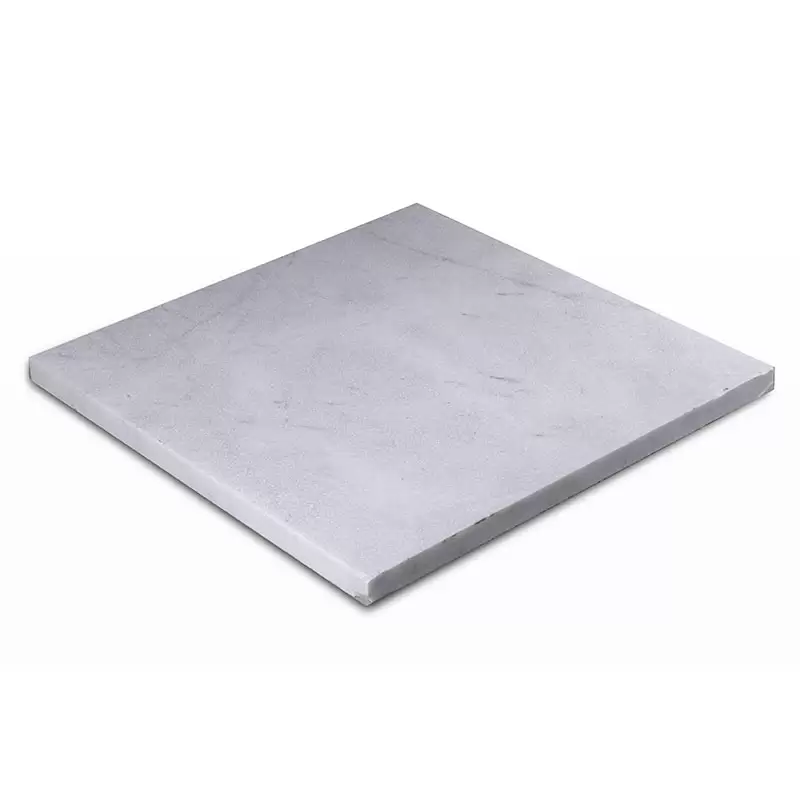
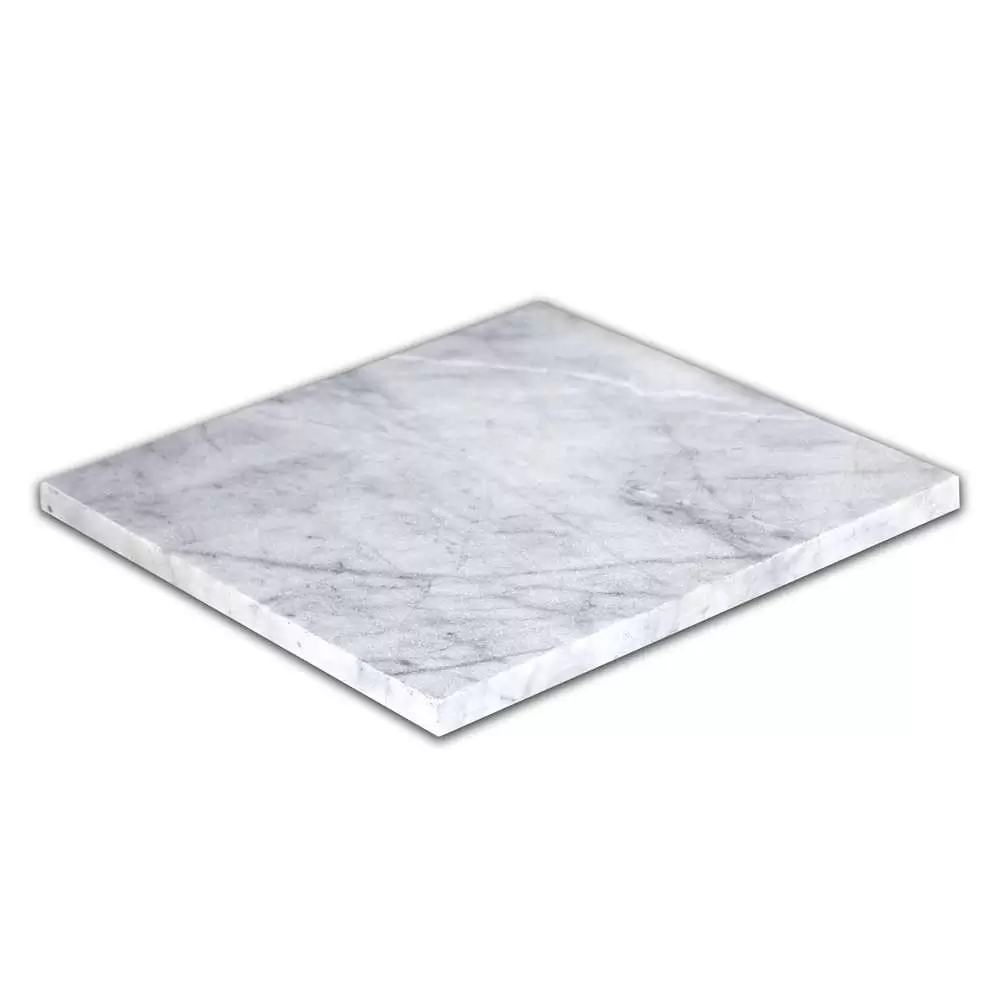
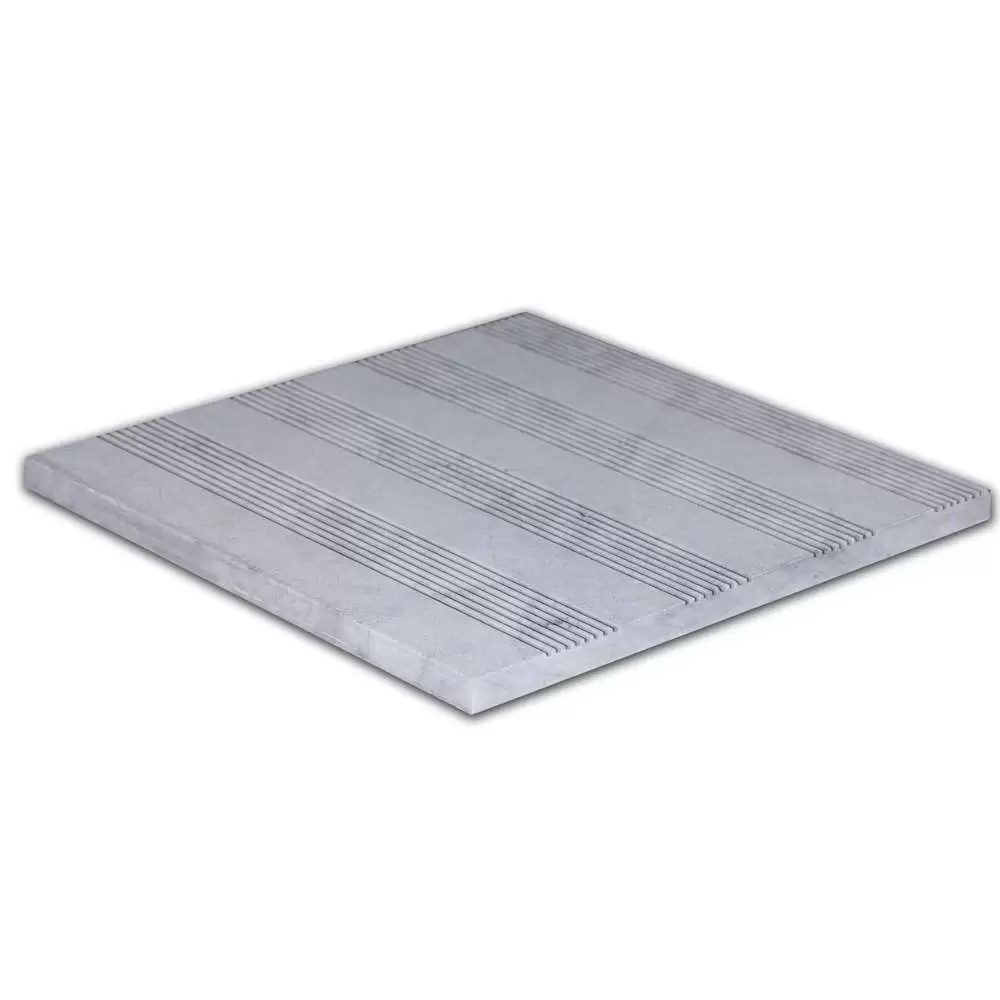
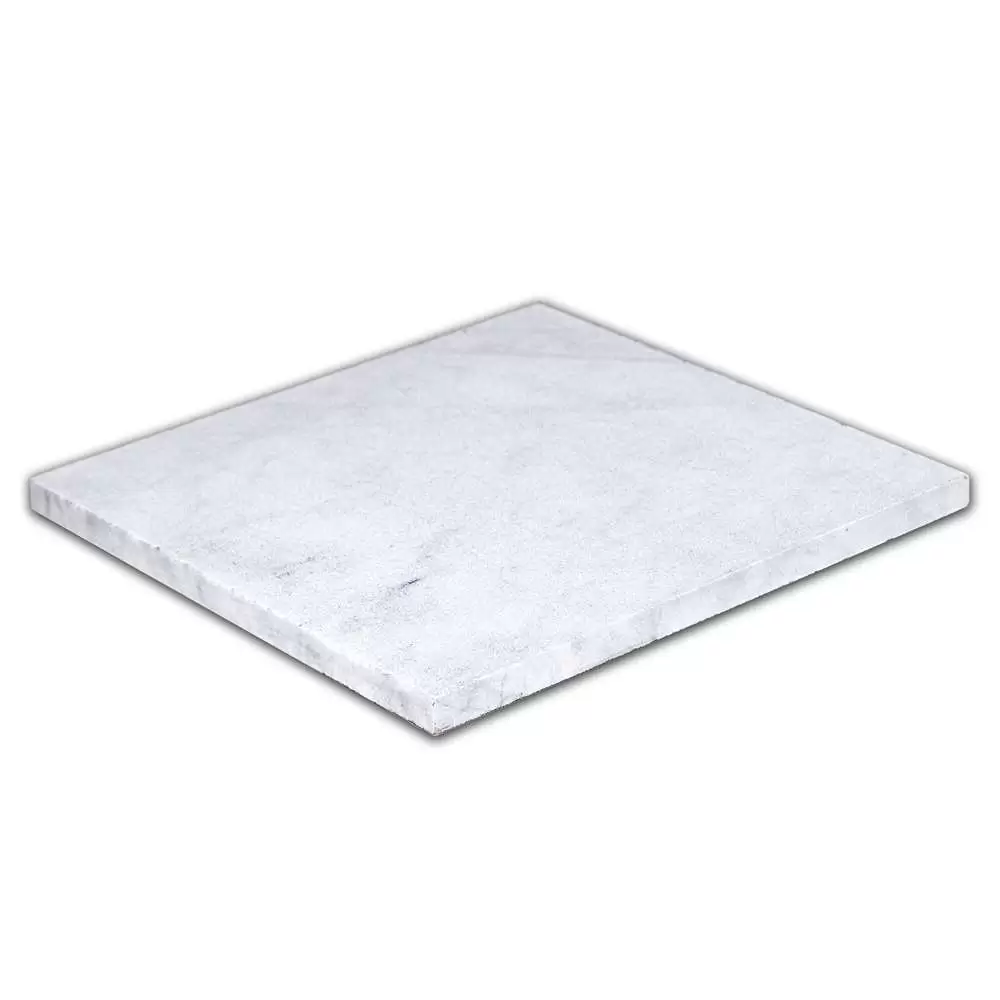
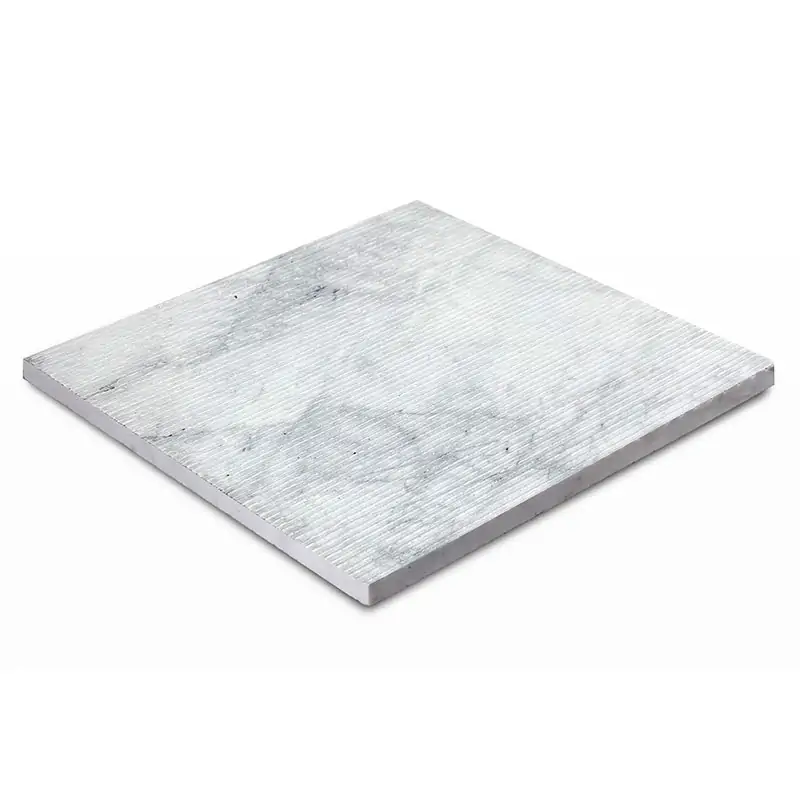
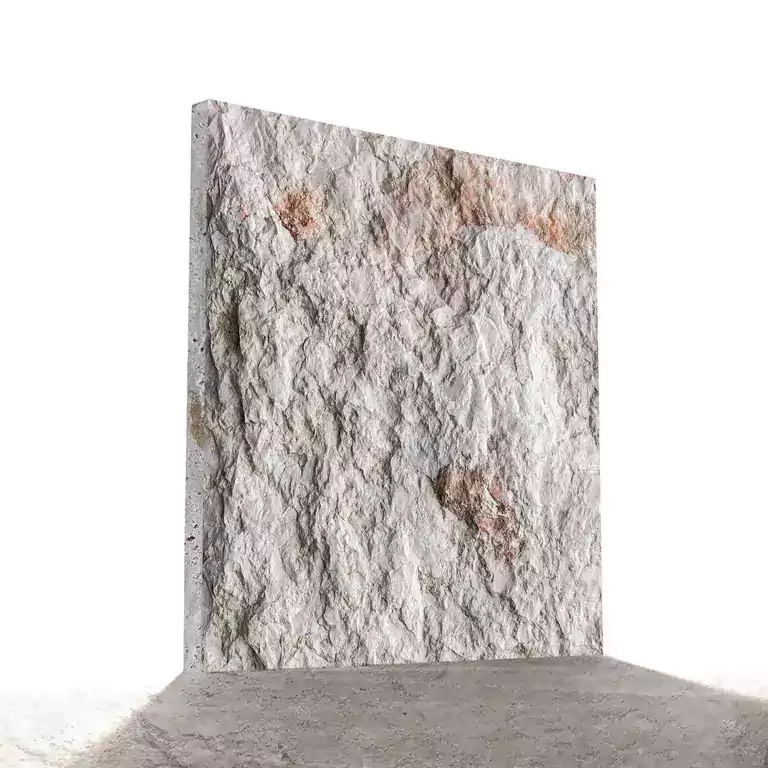
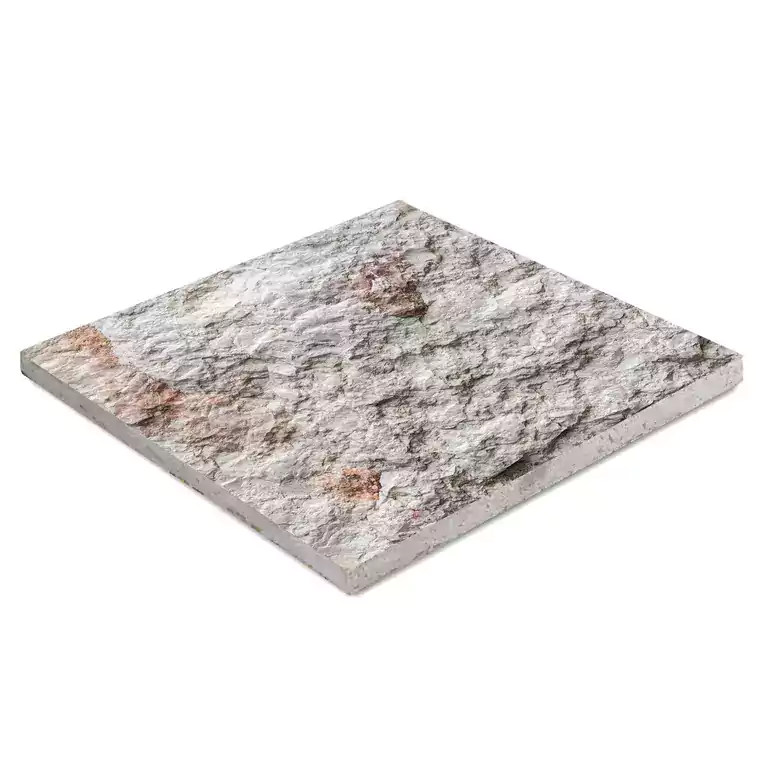
The timeless elegance of Persian white marble makes it a premier choice for any sophisticated project. Our collection prominently features the renowned Neyriz White Marble, available in a variety of exquisite finishes to match your design vision. Whether you seek a modern brushed texture, a classic honed surface, or a unique bush-hammered look, we have the perfect stone for you. Sourced from the finest quarries, our white marble from Iran guarantees exceptional quality and beauty.
Ready to select the perfect stone? Message our experts on WhatsApp for a personalized consultation and to place your order.
Price of White Marble
The cost of building stones, including White Marble, is influenced by various factors. Similar to other stones, the pricing of Neyriz Shiraz Stone (although Neyriz is located in Fars Province, it is commonly referred to as Neyriz Shiraz) is determined based on several criteria. Key factors affecting the price include dimensions, thickness, type of finish, quality of processing, color, and uniformity of the stone. There are different grades (sorts) of Neyriz stones, and one of the main criteria for this grading is the stone’s consistency. The fewer lines and shadows present in the Neyriz stone, the higher the cost of white marble.
Factors Influencing the Price of Neyriz White Marble
In general, the following factors impact the cost of white marble per square foot:
Compressive Strength The stone’s resistance to pressure is a significant factor. Stones with higher compressive strength are more durable and thus command a higher price.
Impact Resistance Stones that can withstand impacts without cracking or breaking are valued higher due to their suitability for high-traffic areas and structural applications.
Abrasion and Wear Resistance The ability of the stone to resist surface wear and erosion affects its longevity and maintenance costs, influencing its market value.
Water Absorption Rate Stones with low water absorption are less prone to damage from moisture, stains, and freeze-thaw cycles, increasing their desirability.
Stone Density A higher density indicates a more compact stone with fewer pores, enhancing strength and durability, which affects pricing.
Color of the Stone The aesthetic appeal of the stone’s color plays a crucial role. Stones with a pure, uniform white color are rarer and more expensive.
Absence of Impurities Stones free from impurities and with a homogeneous texture are considered premium quality, leading to higher prices.
Size and Shape Larger slabs and stones with standard shapes reduce installation costs and waste, making them more valuable.
Type, Nature, and Material of the Stone The inherent properties of the stone, including its mineral composition and structural characteristics, influence its suitability for various applications and its price.
Extraction and Block Purchase Costs The expenses involved in quarrying and purchasing stone blocks (cubes) directly impact the final product’s cost.
Cutting Costs and Processing Methods Advanced processing techniques, such as the Grooves Process or Brushed Bushhammer Finish, require specialized equipment and labor, increasing the stone’s price.
Stone Grading (Sorting) Stones are graded based on quality factors like color consistency and the presence of veins or shadows. Higher-grade stones without imperfections are priced higher.
Uniformity of the Stone Surface Stones with a consistent surface free from veins, streaks, or shadows are more aesthetically pleasing and therefore more expensive.
Transportation Costs The cost of transporting the stone from the quarry to processing facilities and then to the market affects its overall price.
Availability of Quarries or Stone Type The rarity or abundance of the stone type influences supply and demand dynamics. Stones from limited quarries or with unique characteristics are often more expensive.