


Sandblasting and Brushed Sandblasting
Enter your WhatsApp number in the form below, and our experts will contact you to guide you through the process.






Enter your WhatsApp number in the form below, and our experts will contact you to guide you through the process.
Recently Viewed Products
Sandblasting and Brushed Sandblasting: Revolutionizing Stone Finishing
Imagine transforming raw stone into a work of art that is not only visually stunning but also incredibly durable. This is the promise of sandblasting and brushed sandblasting, two revolutionary techniques that have taken the stone industry by storm. Whether you’re looking to enhance the natural texture of a stone or add a unique design element, these methods combine advanced technology and craftsmanship to deliver unparalleled results.
The stone industry has always sought innovative solutions to improve the quality, durability, and aesthetic appeal of its products. Among these innovations, sandblasting has emerged as a standout process. By utilizing cutting-edge technology and abrasive particles, this technique reshapes the surface of stones, transforming them into functional yet artistic pieces. But what exactly is sandblasting? How does it work? And how can it be used to achieve beautiful, resilient designs? In this comprehensive guide, we will answer all these questions and explore the full potential of sandblasting and brushed sandblasting in stone processing.
Sandblasted and Brushed Sandblasted Stones: Popular and Innovative Finishes in Stone Processing
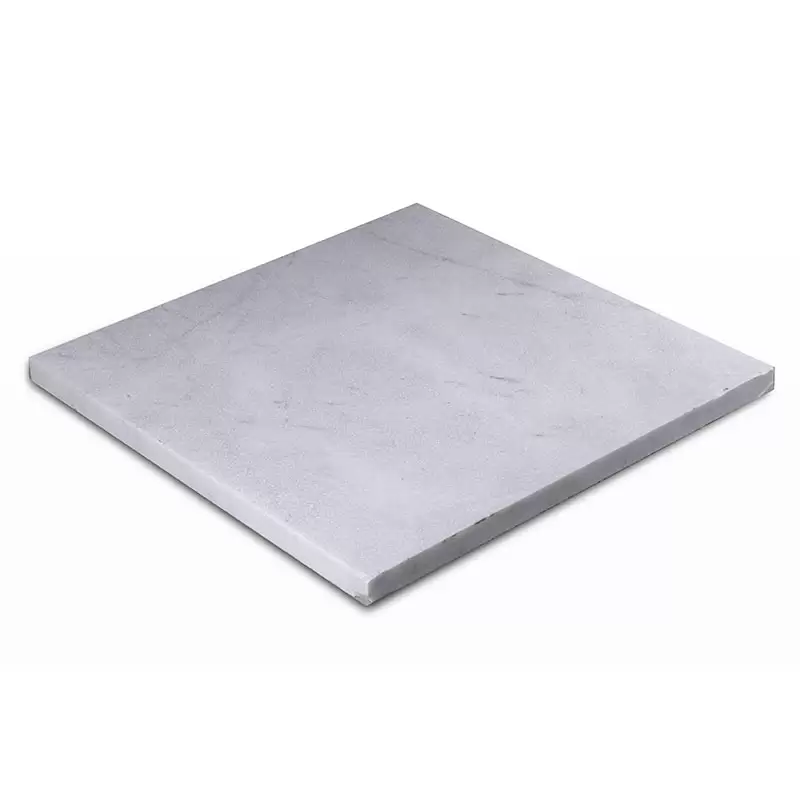
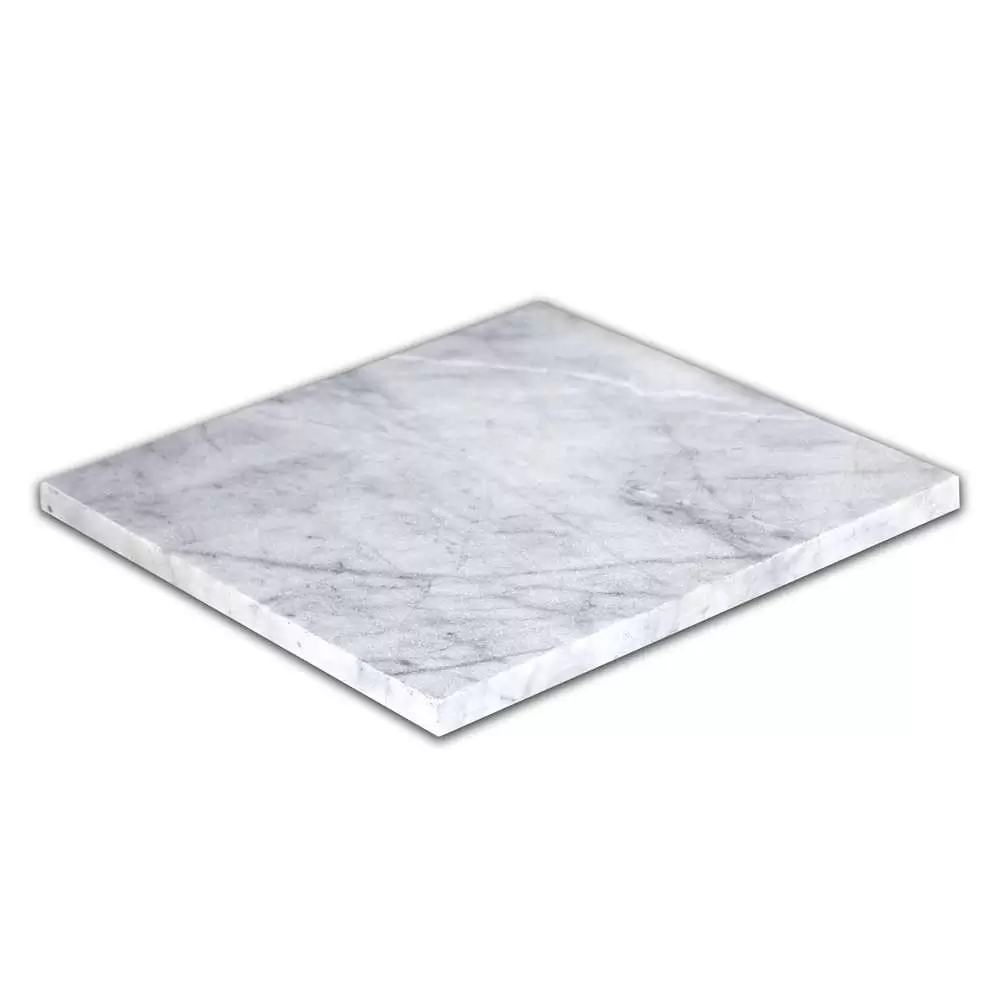
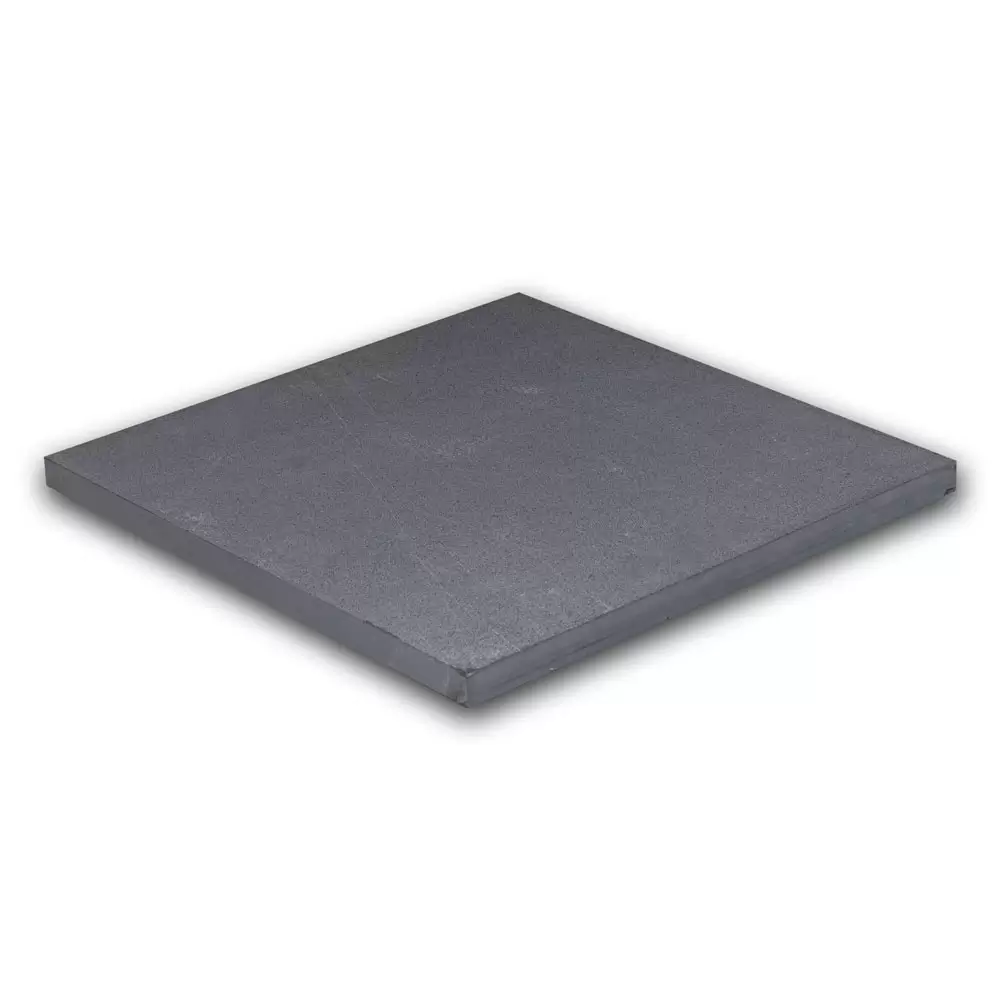
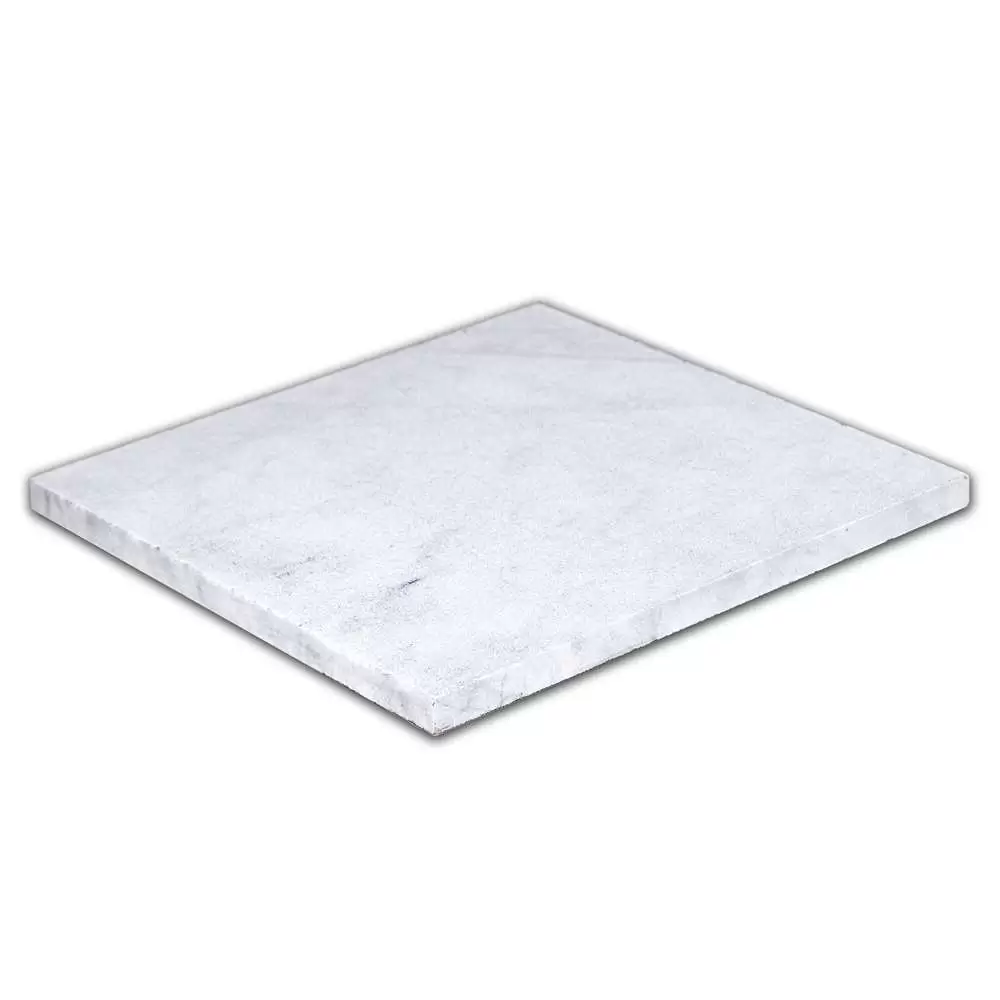
Sandblasted and brushed sandblasted stones are two highly sought-after finishes in the architectural stone industry. Natural stones, depending on their composition, strength, and polishability, undergo cutting and processing to become usable materials for various parts of a building. Stones such as marble, granite, crystal (or porcelain stone), limestone, travertine, onyx, and sandstone have been used for centuries in creating iconic structures. Sandblasting has recently gained attention as one of the innovative finishes applied to these building materials. Some of the most commonly processed stones with sandblasting include:
- Pietra Grey Marble
- Neyriz White Marble
- Double Black Marble (Semi-Granite)
What is Sandblasting in Stone Processing?
Sandblasting is a stone-processing technique in which abrasive particles are sprayed onto the stone’s surface to remove a layer, creating a specific texture, roughness, or decorative design. This process serves two main purposes:
- Preparing the Stone for Subsequent Steps: Such as painting, engraving, or installation.
- Creating Decorative Textures and Patterns: Enhancing the aesthetics of facades, floors, and decorative elements.
What is Sandblasted Stone Finishing?
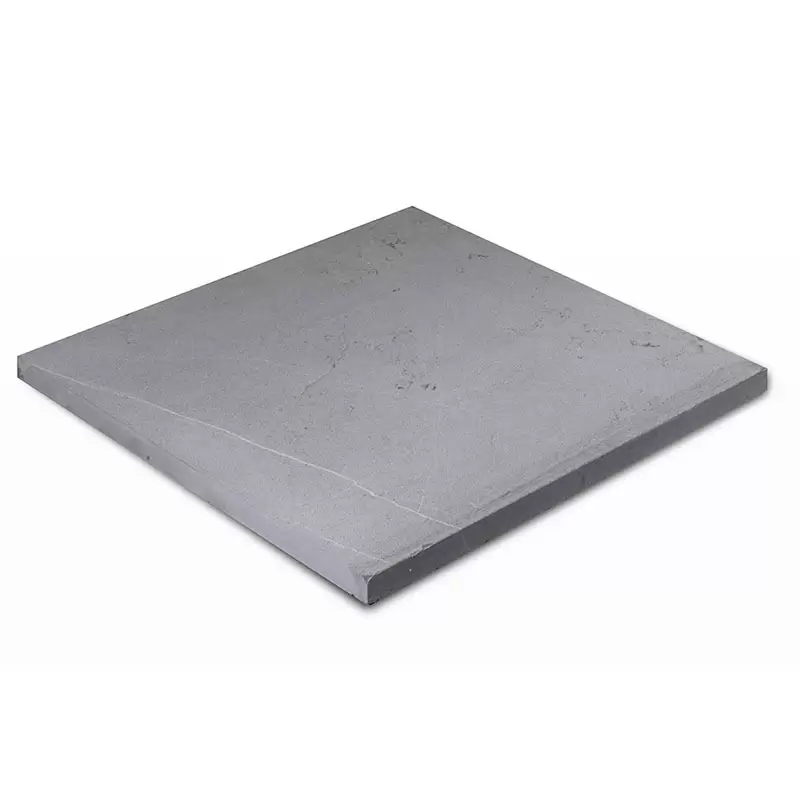
Sandblasting creates a rough, non-slip surface on the stone, giving it a distinctive appearance. This finishing process can be done both manually and with specialized machinery. The more commonly known method involves using materials such as sand or silica, which are sprayed onto the stone’s surface through air pumps. The pressure exerted during this process forms shallow pits and grooves, resulting in a textured finish.
For advanced applications, sandblasting machinery—typically manufactured in countries like Italy, Spain, or China—is employed. In Pars Stone Factory, sandblasting is performed using cutting-edge machinery and specialized tools that create the desired texture through abrasion. As one of the key importers of sandblasting machines, Pars Stone aims to revolutionize the production of stones with unique finishes in Iran, contributing significantly to the growth of specialized stone processing techniques.
Why Choose Brushed Sandblasting?
- Versatility: These finishes are adaptable to various stone types, including granite, marble, and porcelain, offering a wide range of design possibilities.
- Timeless Appeal: The matte, natural look of brushed finishes complements both modern and traditional design styles, ensuring timeless appeal.
- Durability: The dual-process finish enhances the stone’s resistance to environmental and mechanical stresses, ensuring long-term performance.
Brushed sandblasting represents the perfect marriage of artistry and practicality in stone processing. This technique elevates natural stones by combining the ruggedness of sandblasting with the refinement of brushing. The result is a surface that is durable, low-maintenance, and visually stunning, suitable for a wide range of residential, commercial, and outdoor applications. Whether you are designing a luxury interior or creating a functional yet stylish outdoor space, these finishes provide the ideal solution for achieving beauty and performance in one.
Comparison Between Sandblasted and Brushed Sandblasted Stones
Sandblasted and brushed sandblasted stones both offer anti-slip properties, making them ideal for various applications. However, there are significant differences in their texture, maintenance, and functionality:
| Feature | Sandblasted Stones | Brushed Sandblasted Stones |
| Texture | Rough and highly textured; pronounced grooves and pits | Soft, matte finish with subtle roughness; smoother than standard sandblasting |
| Slip Resistance | High; excellent for areas prone to moisture or high traffic | High; combines slip resistance with a refined texture |
|
Dirt Absorption |
Prone to absorbing dirt and stains due to high porosity |
Low; reduced porosity minimizes dirt and stain absorption |
|
Maintenance |
Requires frequent cleaning to remove grime and stains |
Easy to clean; dirt and stains can be wiped off effortlessly |
|
Visual Appeal |
Rugged and industrial; ideal for functional spaces |
Luxurious and refined; suitable for decorative and high-end applications |
|
Applications |
Outdoor areas, industrial settings, parking floors |
Interior floors, walls, decorative accents, luxury outdoor spaces |
|
Light Reflection |
Minimal; creates a matte, non-reflective surface |
Subtle reflection adds warmth and depth to the space |
|
Durability |
Highly durable; resistant to wear and tear |
Durable with added resistance to stains and chemicals |
|
Processing Complexity |
Requires a single processing stage (sandblasting) |
Involves an additional brushing step, increasing complexity |
Choosing between the two depends on the specific requirements of your project. For spaces where minimal maintenance and elegance are priorities, brushed sandblasted stones are an excellent choice. Conversely, for areas that demand high durability and a textured, non-slip surface, standard sandblasted stones are better suited.
Pricing of Sandblasted and Brushed Sandblasted Stones
The sandblasted stone price depends on various factors, each playing a significant role in determining the overall cost. Understanding these elements can help you make an informed decision while staying within your budget.
Key Factors Influencing the Sandblasted stone price
- Stone Material
The type of stone used significantly affects the price. Stones like marble, granite, or porcelain vary in cost based on their rarity, quality, and source.
Premium stones, such as Neyriz White Marble, are often more expensive due to their superior aesthetics, durability, and demand in luxury projects. - Processing Type
A sandblasted stone finish provides a textured, non-slip surface, making it ideal for various applications. Brushed sandblasting involves an additional finishing step after sandblasting, which increases labor and production costs. This makes brushed sandblasted stones slightly more expensive than standard sandblasted stones.
The added refinement and low-maintenance benefits justify the cost, especially for high-end applications. - Sorting and Grading
Stones with higher uniformity and fewer imperfections are classified as premium grades, which come at a higher price. Lower grades, while functional, may have more visible inconsistencies, making them less expensive. - Dimensions and Thickness
Larger slabs or thicker stones require more raw material and additional processing, directly impacting the cost. Custom sizes, tailored for specific projects, may also involve additional charges. - Customization
Custom patterns, engravings, or specialized finishes, such as adding decorative elements, can significantly influence sandblasted stone price. These options are ideal for unique architectural features or personalized projects but should be factored into the budget.
Get Accurate Pricing
For precise and tailored pricing information, contact Pars Stone Factory for a consultation. Their team of experts can guide you through the selection process and provide detailed quotes based on your project requirements. Call the numbers provided on their website or visit the factory in person to explore available options.
Purchasing Sandblasted and Brushed Sandblasted Stones
When buying sandblasted or brushed sandblasted stones, it’s crucial to consider your project’s specific requirements, the intended application, and the reliability of the supplier. Following a few key steps can ensure a successful purchase:
Steps to a Successful Purchase
- Assessing Application Needs
- Sandblasted Stones: These are ideal for outdoor or high-traffic areas requiring durability and slip resistance. Common applications include pathways, driveways, and industrial settings.
- Brushed Sandblasted Stones: If your project emphasizes elegance and ease of maintenance, brushed sandblasted stones are better suited. They are perfect for interiors, decorative walls, and luxury outdoor spaces.
Practical Insights:
- Brushed Sandblasted Stones for Dirt-Prone Areas: A brushed sandblasted stone finish is ideal for environments where dirt and grime accumulation are concerns. The leather-like surface texture absorbs less dirt, making cleaning and maintenance significantly easier.
- Sandblasted Stones and Slip Resistance: While standard sandblasted stones are less slippery due to their textured surface, they tend to accumulate more dirt. This can make cleaning a bit challenging, particularly in high-traffic or outdoor spaces.
- Choosing a Reputable Supplier
Purchase from trusted manufacturers like Pars Stone Factory, known for their commitment to quality and customer satisfaction. Their expertise ensures you receive authentic, high-grade products.
A reliable supplier also provides post-sale support and guarantees, giving you peace of mind for your investment. - Consultation and Expert Guidance
Consult with specialists to determine the best type, size, and finish for your project. Discussing your needs with an expert ensures that the stone you choose aligns with your budget and design goals. - Explore Options in Person or Online
- Visit the Factory: Viewing the stones in person allows you to assess their texture, color, and quality firsthand.
- Online Inquiry: For convenience, you can browse options and place orders online. Pars Stone Factory offers seamless support to help you make the right choice remotely.